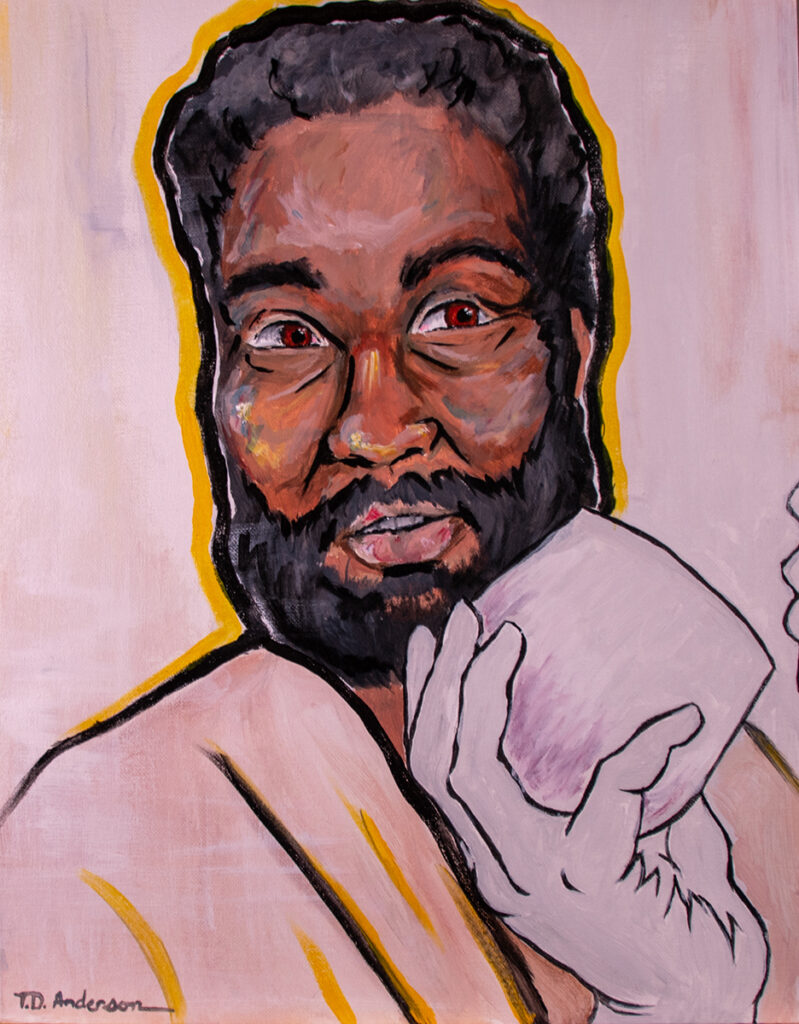
The book of Job is not an easy read. And it is deeply connected with Easter. Job’s story is essentially a passion narrative in wisdom form. Job suffers unjustly, is abandoned by friends, and cries out to a seemingly absent God — mirroring Good Friday. Job refuses false comfort or tidy theology. He brings his raw anguish directly to God rather than suppressing it. His cries mirror Jesus’ from the cross — “My God, my God, why have you forsaken me?” (Psalm 22). Easter doesn’t erase that lament; it answers it. The resurrection similarly doesn’t explain the cross theologically so much as it transforms it. God’s presence is the answer. There is restoration on Easter morning — not because everything is explained, but because God shows up.
Barbara Brown Taylor reminds us that “pain originates in the body. It happens in the flesh, while suffering happens in the mind. It is difficult to bear or even be near either one without entertaining grave questions about divine justice”. Despite our search for good news, pain and suffering is all around us. How do you bring that to God?
She also affirms that “life can be as full of meaning as it is of hurt. The two have never cancelled each other out”, even if some religions promise to put pain and suffering away. How do we, as a community, pay attention to pain and suffering? What do we do about it?
Worship online with thetable.live. CCLI #805699 / CCLI Streaming #094804