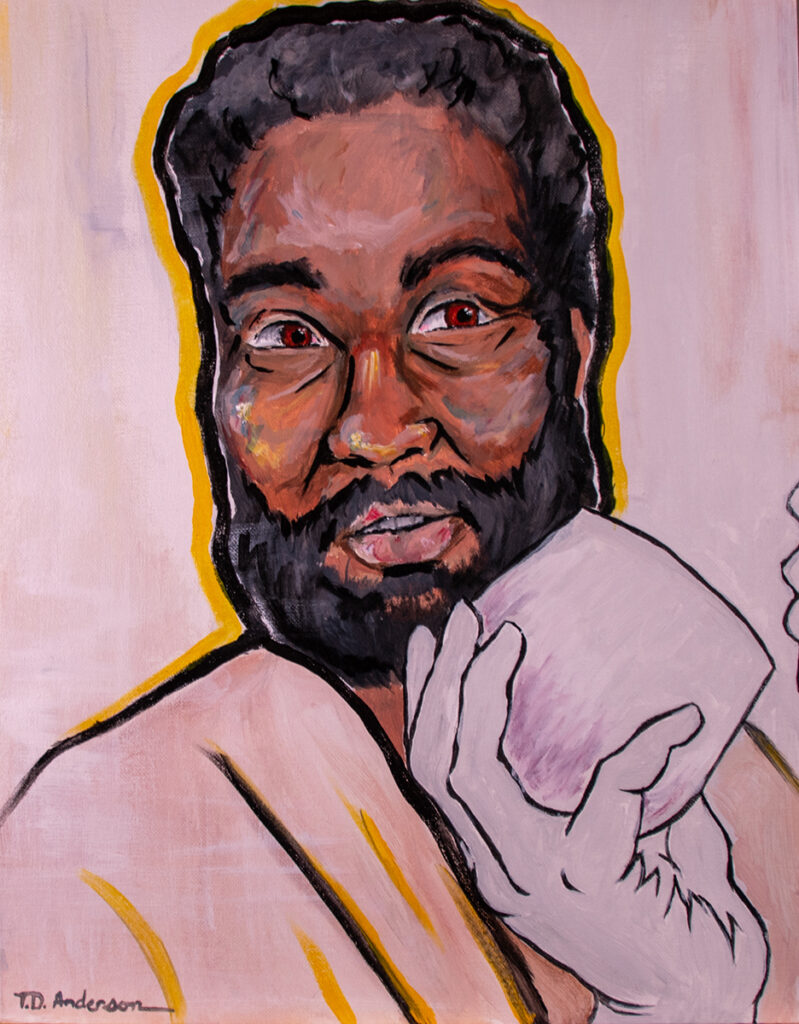
Sermons by Rev. Jorge Domingues
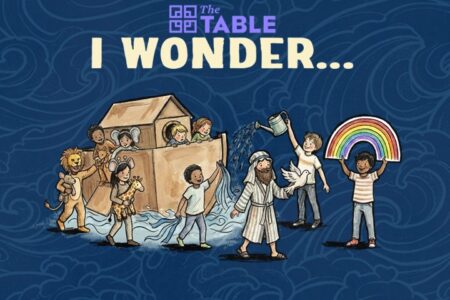
The Ark and the Flood
Moves into re-creation and God’s promise to Noah, to God’s family, and to us. Godly Play Story: The Ark and the Flood What part of this story you like best? What part is the most important? Where you are in the story or what part of the story is about you? Is there any part of the story we can leave out and still have all the story we need?”

HUMILITY
Humility is key to creating space for others to offer their own unique expertise, wisdom, and giftedness. Worship online with thetable.live. CCLI #805699 / CCLI Streaming #094804
Free and be Freed
The Christian gospel is a liberation announcement — and being set free demands a response. If life in Christ is a life set free, what kind of world is that life called to help build? Worship online with thetable.live. CCLI #805699 / CCLI Streaming #094804


Being Restful
Barbara Brown Taylor says, “In a world of too much information about almost everything, bodily practices can provide great relief. … In a world where faith is often construed as a way of thinking, bodily practices remind the willing that faith is a way of life.” We continue this week with our Easter season theme, “Come Alive!”, offering an invitation for us to come more fully alive. In the first version (yes, there are two) of the fourth commandment (Ex.…

Being Present With Our Pain
The book of Job is not an easy read. And it is deeply connected with Easter. Job’s story is essentially a passion narrative in wisdom form. Job suffers unjustly, is abandoned by friends, and cries out to a seemingly absent God — mirroring Good Friday. Job refuses false comfort or tidy theology. He brings his raw anguish directly to God rather than suppressing it. His cries mirror Jesus’ from the cross — “My God, my God, why have you forsaken…

Alive In The World
Lent was originally a season for new converts to learn and prepare for their baptism on Easter. During that time, they would study what was central to Christianity. As we enter this new series, we study what is central to Jesus’ life and ministry: radical welcome, love for neighbor, care for the vulnerable, nourishment for the hungry, nonviolence in the face of injustice. At the heart of Jesus’ teachings, we find liberation, love, mercy, and grace—all of which are meant…
Rooted In Justice, Mercy and Faithfulness
While Jesus is teaching in the Temple, some scribes and Pharisees interrupt Jesus to put both him and a woman caught in adultery on trial. Their questioning intensifies as they cite Mosaic Law and put the woman’s fate in Jesus’ hands. Instead of focusing on punishment, Jesus flips the script and invites each person to consider their own sin; Jesus defuses the spectacle by condemning no one. Worship online with thetable.live. CCLI #805699 / CCLI Streaming #094804

Together, The Impossible is Possible
As Jesus and his disciples head to a deserted place, perhaps seeking peace and quiet, many from the surrounding towns follow them. Instead of turning them away, Jesus expresses compassion and begins an impromptu teaching session. As the day goes on, the disciples have logistics in mind and urge Jesus to send the people back into the villages so they can feed themselves. Instead, Jesus presents them with an impossible task: “You give them something to eat.” Dumbfounded, the disciples…

So Good, It Catches Us By Surprise
John’s Gospel doesn’t begin with a temptation story but instead opens Jesus’ ministry with a wedding miracle, a miracle Jesus enacted seemingly for the sole purpose of expanding joy by keeping the good vibes flowing (literally). It may feel a bit lavish to start the season of Lent with a wedding banquet, but the good news begins with joy. This week we focus on the subversive and playful nature of the good news. The kin-dom of heaven is so good…
JESUS BEGINS HIS MINISTRY
As we celebrate his fight for racial equality and justice through nonviolent protest, honoring his commitment to freedom, service, and building a “Beloved Community” for all people, we continue the journey through the season that describes Christ’s revelation to the world, asking “Who is this?” This question anticipates the questions that follow Jesus throughout his life and ministry – questions from both followers and adversaries. It’s also a defining question of our own faith journeys: Who is this Jesus, and…

FEAR DOESN’T STOP US
Matthew 2:1-12, Matthew 2:16-28 (NRSV) Luke’s Gospel begins the story of Jesus with this opening line: “In the time of Herod…” This detail may seem minor to modern readers, however, it reveals layers of information about the fearful world Jesus entered, one filled with rampant oppression, economic disparity, uncertainty, and instability. A world not so unlike our own. And yet, throughout the stories of Christ’s birth, we hear the whispers of angels delivering a surprising message: “Do not fear.” In…
- 1
- 2