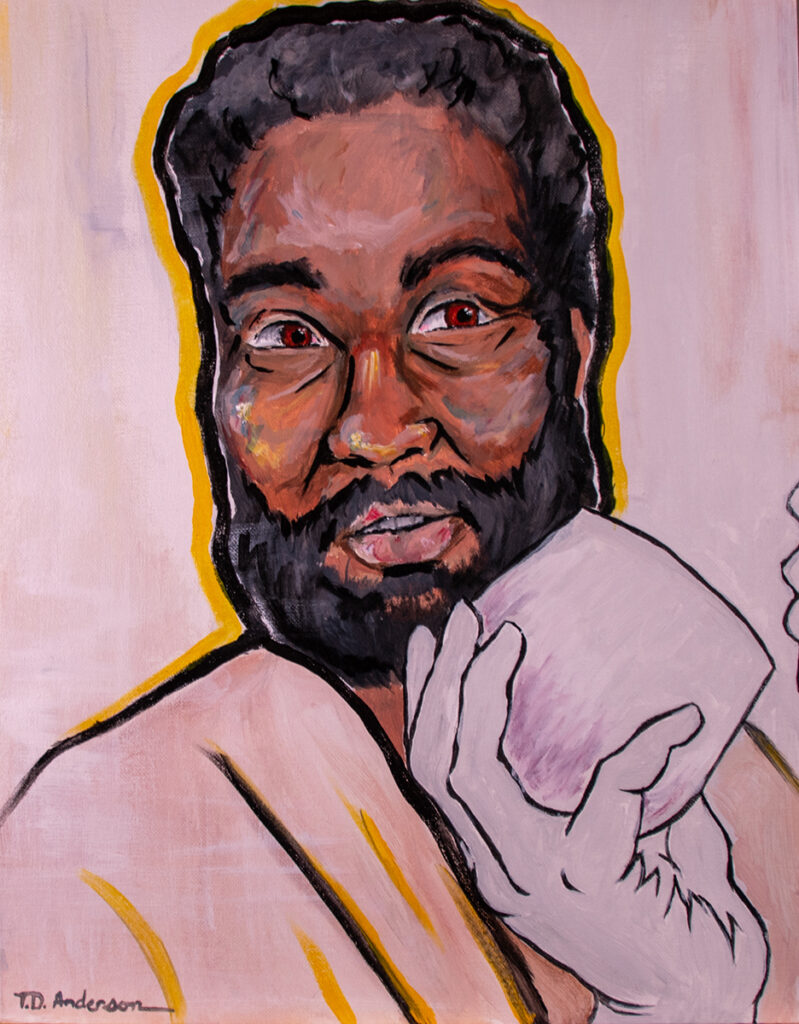

Roots and Home
This week, in order to find God in our midst, we look into our family and the families we create together. Diana Butler Bass notices that sometimes we find wisdom in the oddest places, “for example, in a real-estate blog. Blogger David Marine writes:” ‘The English word “home” is from the Old English word hâm (not the pig), which actually refers to a village or estate where many “souls” are gathered. It implies there’s a physical dwelling involved, but the…
Neighborhood and Commons
This week, in order to find God in our midst, we look into our own neighborhood. Diana Butler Bass reminds us of this simple, yet profound reality by quoting that famous theologian, Fred Rogers: “It’s a beautiful day in this neighborhood, a beautiful day for a neighbor. Would you be mine? Could you be mine? I’ve always wanted to have a neighbor just like you. I’ve always wanted to live in a neighborhood with you.” Worship online with thetable.live. CCLI…
Dirt and Water
In the book of Genesis, dirt (or ground) and water are created in the first narrative of the creation story and “given” to humankind to have “dominion” over all creatures living in both earth and seas. This narrative reinforces the hierarchical and anthropomorphic understanding of God–”God the Father, Humankind the children, Creation the subject”. Diana Butler Bass invites us to change our understanding of God, quoting the 20th Century German theologian, Paul Tillich, and the teachings of 4th century BCE…

Sky and Air
This week, in order to find God in our midst, we look into the vastness of the sky and heavens and take a deep breath to fill our lungs with life giving air. Diana Butler Bass believes that our experience of God is paradoxical, at times. That is to say, our encounter with God is often one of the most mysterious and intensely personal experiences in our life, all at the same moment. As Bass says: Unlike the ground and…

Genesis
This week we begin at the beginning in both the Hebrew Scriptures (Genesis) and the New Covenant (The Gospel of John). Diana Butler Bass contends that our understanding of God and Jesus in the role of Creator (i.e., Genesis as the original act of creation and as a dynamic creative process that extends throughout history) is drifting away from the dominant theology of top-down, vertical institutions that describe God as the “majestic, transcendent, all-powerful, heavenly Father, Lord, and King” to…
Radical Grace
This week we take our ninth and final step along the path of the prophetic tradition. Richard Rohr in his book, The Tears of Things: Prophetic Wisdom for an Age of Outrage, reminds us that the prophet Ezekiel (perhaps one of the most quirky and eccentric prophets we have read) begins in usual prophetic fashion with anger but then turns to one of the clearest expressions of grace in the Hebrew Scriptures: namely, the people receiving a “new heart and…
The Alchemy of Tears
This week we take our eighth step along the path of the prophetic tradition. Richard Rohr in his book, The Tears of Things: Prophetic Wisdom for an Age of Outrage, reminds us that there is only one book in the Bible named after an emotion: the book of Lamentations, an expression of the “tragic sense of life.” Author and storyteller Megan McKenna poignantly describes the grief bemoaned by the writer of Lamentations, … the universal nature of shared sadness, and…
Growing Toward Love
Richard Rohr in his book, The Tears of Things: Prophetic Wisdom for an Age of Outrage, describes the path of the prophetic tradition by bringing into conversation the inspired, and sometime eccentric, prophets of the Hebrew Bible with the contemporary voices of people who have embodied this path in the world today. Rohr plots this path as one that moves from “righteous anger against injustice, grief for the world’s suffering, and finally, grace-filled love for everyone and everything.” Over the…
The Role of Anger
This week, our youth apprentices and interns from Table Farm ask us to consider the role of anger on the prophetic path as evidenced in the lives of the biblical prophet, Jeremiah, and modern-day prophet, Greta Thunberg. During their recent farm shifts, our youth explored the connection between anger and grief as an antecedent to hope. Swedish climate activist Greta Thunberg embodies these two seemingly opposite and challenging emotions, anger and grief, as she chastises world leaders for not taking…
Necessary Disorder
This week we take our fifth step along the path of the prophetic tradition. Richard Rohr suggests that the work of the prophet often includes creating a holy disorder to disrupt a dominant unjust order. So, as we travel along the path of the prophetic tradition, the goal is to dis-order and disrupt things just enough that a new just and merciful order can emerge. As Rohr suggests: Reforms rarely move directly from the existing order to a new order…
Bias Towards the Margins
The ancient Hebrew prophet Amos and the contemporary Roman Catholic activist Dorothy Day both emphasized a bias toward the margins – “a preferential option for the poor.” Because the economic, political, and social systems of the world too often fail to reflect God’s love and care for all people, Amos and Day believe that God steps into the gap between the dominant culture and historical marginalized communities, calling us into the margins. Worship online with thetable.live. CCLI #805699 / CCLI…
Collective Evil
This week we take our third step along the path of the prophetic tradition. Richard Rohr in his book, The Tears of Things: Prophetic Wisdom for an Age of Outrage, suggests that the vocation of the prophet is focused on unmasking collective evil or “social sin.” So, more than critiquing individuals, the prophets critique their culture and society, exposing what has been hidden. The prophets, far ahead of their time, learned that it is social sin that destroys civilization and…