Sermons on Genesis

Sky and Air
This week, in order to find God in our midst, we look into the vastness of the sky and heavens and take a deep breath to fill our lungs with life giving air. Diana Butler Bass believes that our experience of God is paradoxical, at times. That is to say, our encounter with God is often one of the most mysterious and intensely personal experiences in our life, all at the same moment. As Bass says: Unlike the ground and…
Genesis
This week we begin at the beginning in both the Hebrew Scriptures (Genesis) and the New Covenant (The Gospel of John). Diana Butler Bass contends that our understanding of God and Jesus in the role of Creator (i.e., Genesis as the original act of creation and as a dynamic creative process that extends throughout history) is drifting away from the dominant theology of top-down, vertical institutions that describe God as the “majestic, transcendent, all-powerful, heavenly Father, Lord, and King” to…

Remembering Hospitality
Worship online with thetable.live. CCLI #805699 / CCLI Streaming #094804

Reparations with Rev. Dr. Melanie L. Harris
Worship online with The Table 9:30am Sunday (July 26) shared from our homes to your home. Help flatten the curve and find bread for the journey with The Table. CCLI #805699 / CCLI Streaming #094804

Street Talk
Worship online with The Table 9:30am Sunday (June 21) shared from our homes to your home. Help flatten the curve and find bread for the journey with The Table. CCLI #805699 / CCLI Streaming #094804
God Sees
Worship online with The Table 9:30am Sunday (June 14) shared from our homes to your home. Help flatten the curve and find bread for the journey with The Table. CCLI #805699 / CCLI Streaming #094804
Skilled Mastery
Worship online with The Table 9:30am Sunday shared from our homes to your home. Help flatten the curve and find bread for the journey with The Table. CCLI #805699 / CCLI Streaming #094804

Growing in Faith
Matt’s message is rooted in the story of Jacob wrestling with the divine (Genesis 32) and Jesus’ parable on praying always and not losing heart (Luke 18.1-8). How might we be called to wrestle with God in our Deep Commitments to God and our community of faith?
Intercultural Church
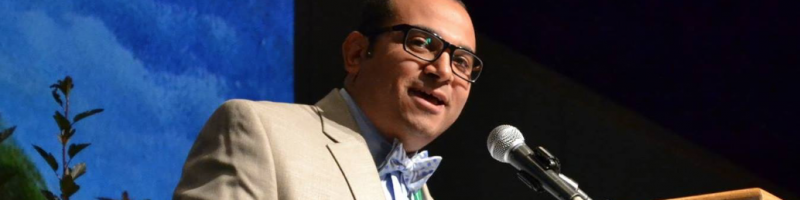
Rev. Dr. Safwat Marzouk was our special guest preacher. Safwat’s message is rooted in the story of Joseph (Genesis 37-50) and invites reflection on how reading this story from through lens of migration might embolden the church to become an intercultural community.

Seriously?
Linda’s message is rooted in Genesis 18: 1-10a. Abraham & Sarah offer hospitality to God echoing the radical hospitality that God offers to all. This story reminds all of us that we too have the freedom to receive and share in God’s hospitality in ways that transform the world as well.

Resolve to Forgive
Pastor Chris has created this worship series called Baggage as part of his Path 1 Residency in Church Planting at The Table. In this last week of his three-week worship series, Chris walks us through the story of Joseph and his brothers, rooted in Genesis 50. 15-21. How do you bring peace back to your spirit after it has been broken so bad by others? Can we learn to be more willing to relinquish our rights to our baggage and allow…
The Divine Dance
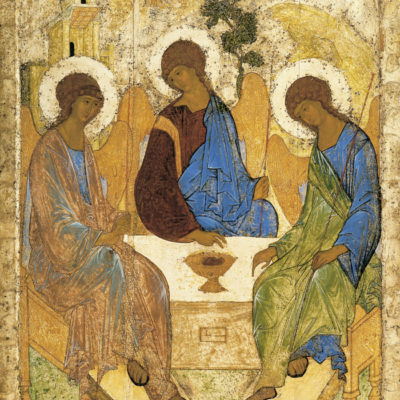
Linda’s message is rooted in Genesis 18. 1-8. Linda invites us to wonder about the Trinity, as we are all part of God’s flowing Divine Dance. So the question is, will you open up and dance with the Divine?
- 1
- 2