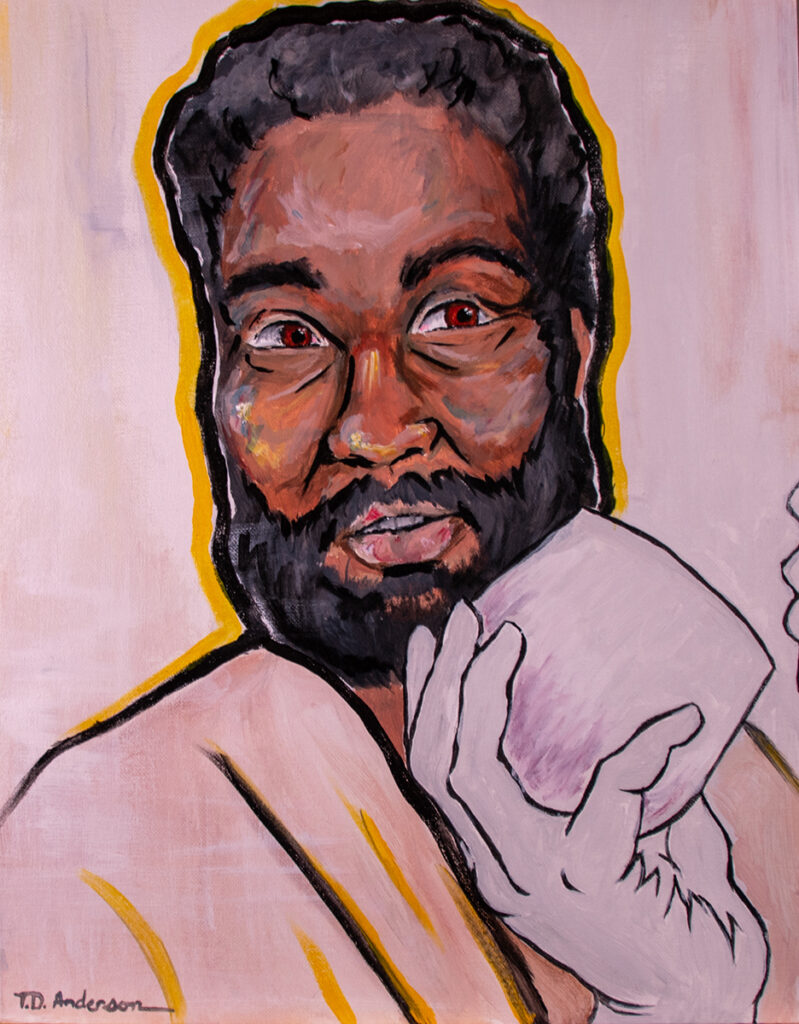
Remembering Who We Are: Core Values of the Table
DEEP COMMITMENTS: FRESH EXPRESSIONS OF CHURCH
Acts 2:42-47 In his sermon “On Visiting the Sick”, John Wesley teaches that mercy/reaching in love is not an optional Christian activity but an essential part of discipleship/growing in faith. He roots this conviction in Matthew 25, arguing that Jesus identifies himself with people who suffer—those who are sick, poor, imprisoned, or marginalized. For Wesley, ministry with the vulnerable is a means of grace: a pathway through which God forms the heart, deepens compassion, and keeps the believer grounded in…

DEEP COMMITMENTS: DISCERNMENT
Luke 9:28-36 As we discovered last week, John Wesley believes that reason provides knowledge which informs our understanding of God and life, but reason alone cannot explain everything – thus the need for a faith and “spiritual” experience of God that continually transforms our lives into an expression and embodiment of the love of God, other(s), and self. In other words, although our faith and experience of God will express realities that are beyond the intellectual bounds of reason, our…

DEEP COMMITMENTS: REFLECTION
Luke 2:41-47 John Wesley, the founder of the 18th Methodist movement and what became the worldwide Wesleyan tradition, was an advocate for theological reflection and education for all people (regardless of their social status). Embracing the intellectual component of our humanity, he believed that “reading Christians are growing Christians. When Christians cease to read, they cease to grow.” Consequently, he believed that reason (along with experience, scripture, and tradition) is one of the fundamental sources we draw upon in order…
Giving Generously
In the final chapter of the revised material for the Growing in Faith, we reflect on the great commandment and giving generously. Jesus was frustrated with the religious leaders of his day. Jesus charged, “They do not practice what they teach” (Matthew 23:3). He was concerned with the cumbersome burden of the rules, standards, directives, and laws the religious leaders in his day dictated. In the midst of all this, Jesus called his followers to the great commandment: “Love God…

Reaching In Love
The revised material for the Growing in Faith classes affirms that “as we root our lives in grace and grow in faith, we are transformed and woven deeper into the fabric of God’s love, … embracing a life of love and welcome. We call this reaching in love at The Table. Reaching in love begins with the practice of hospitality as a way of life and then extends into generosity, by allowing our lives to express the generosity of God”.…
Growing In Faith
Chapter 2 of the book “Growing in Faith” quotes a passage of Richard Rohr to help us understand what faith is: “For Jesus, faith is not opposed to not believing in God, it doesn’t mean you go to church, or that you’re into religion or that you say “Lord, Lord” (Matthew 7:21). Faith for Jesus is the opposite of anxiety.” The story of the Syro-Phoenician woman is a story about faith. It is the story of a “very daring woman”,…
Rooted Lives
What does it mean to be rooted in grace? It means we do not stand on our own achievements but on God’s gift. It means our failures do not define us, because God’s grace is greater than our weakness. It means our lives grow differently: we are freed to forgive, empowered to act with courage, enabled to love beyond measure. Grace roots us in God’s steadfast love, and out of that rootedness, fruit grows — justice, compassion, holiness, and joy.…